Draw a card. Ask what it means. Free.
The complete 78-card Rider–Waite deck. Three spreads and a daily card, free, no signup. Every reading grounded in the Pictorial Key — and two Vedic spreads, on the Panchang and the nine grahas, that exist nowhere else.
Draw my cards — free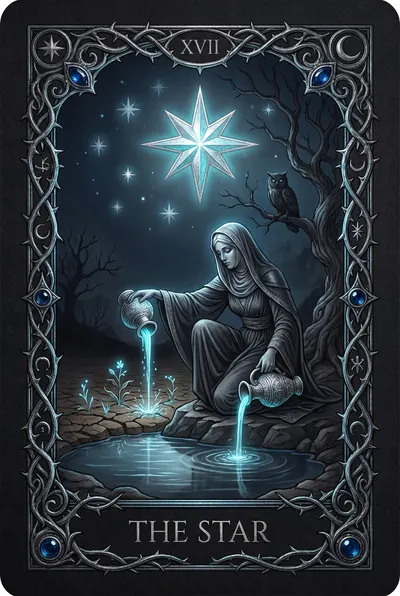
What is in the free reading
The full 78-card deck
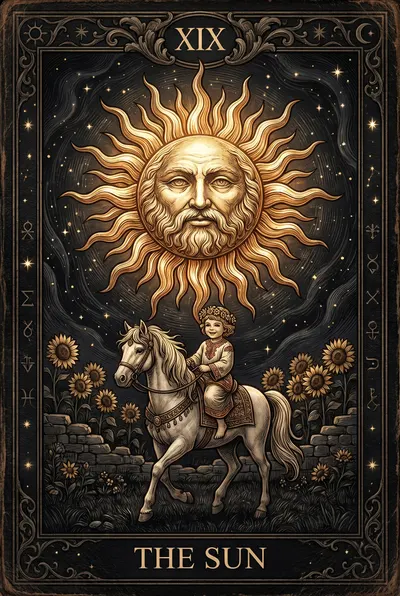
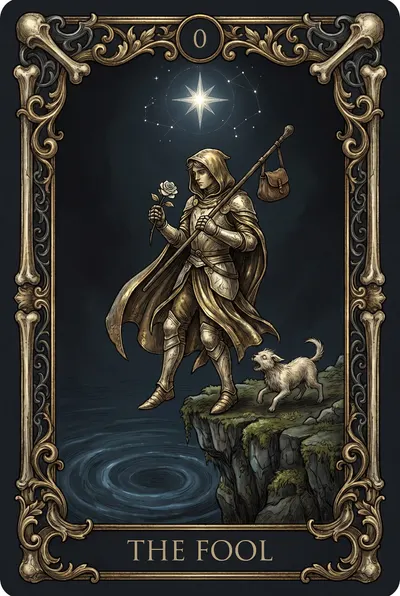
Rider–Waite–Smith art — 22 Major Arcana, 56 Minor Arcana, uprights and reversals
Three spreads, free
Single card, Past–Present–Future, and the five-card Decision spread
A daily card
One card a day, drawn for you, with its meaning for the day
Read from the Pictorial Key
Meanings grounded in Waite's own text, position by position — not a keyword list
Cards read together
The reading looks at pairs — the Tower beside the Star is not the Tower alone
Ask Panditji (Normal mode)
Talk about your draw afterwards — why this card, what to do about it
Ten spreads
Start with the three that are free. The rest open with Pro or Max — the same plans that unlock the rest of MyPanditji.
| Spread | Cards | What it asks | Plan |
|---|---|---|---|
| Single card | 1 | One question, one answer | Free |
| Past · Present · Future | 3 | Where this came from and where it goes | Free |
| Decision | 5 | Two options, the voice of wisdom, the outcome | Free |
| Love | 5 | You, them, the bond, the challenge, the outcome | Pro |
| Career | 4 | Where you stand, hidden talent, the obstacle, the outcome | Pro |
| Relationship | 7 | The deeper seven-card read on a bond | Pro |
| Celtic Cross | 10 | The classic full reading | Pro |
| Year ahead | 12 | One card for each month | Max |
| Panchang | 5 | Tithi, Nakshatra, Yoga, Karana, Vara | Max |
| Navagraha | 9 | One card for each of the nine grahas | Max |
Two spreads you will not find anywhere else
Tarot is a Western deck, and we say so. What is ours is the question. These two lay the cards on frames every Vedic reader already knows.
The Panchang spread
One for each limb of the day — Tithi, Nakshatra, Yoga, Karana, Vara. The same five things a panchang tells you about a date, asked of the deck instead.
The Navagraha spread
One for each graha — Sun, Moon, Mars, Mercury, Jupiter, Venus, Saturn, Rahu and Ketu. Where a Kundli places the nine planets in houses, this places nine cards on the nine planets.
FAQ
Is the tarot reading really free?
Yes. The full 78-card deck, three spreads (single card, Past–Present–Future, and the five-card Decision spread) and a daily card are free, with no signup and no card details. Pro and Max add the longer spreads — Love, Career, Relationship, Celtic Cross, Year Ahead, and the two Vedic spreads.
Which tarot deck is used?
The Rider–Waite–Smith deck — 22 Major Arcana and 56 Minor Arcana, drawn by Pamela Colman Smith in 1909. It is the deck almost every tarot guide is written for, so what you learn here carries over to any physical deck you own.
How are the cards drawn?
Each card is drawn at random from the full deck for your spread, and cards can land reversed. Nothing is pre-chosen. If you have a card you identify with, you can set it as your significator before you draw.
What does the reading actually say?
Panditji reads each card in its position — what the Star means in the "Outcome" slot is not what it means in "Challenge" — and reads pairs of cards together rather than one at a time. The meanings are grounded in Waite's own Pictorial Key to the Tarot, not a list of keywords.
Tarot is not Vedic. Why is it on MyPanditji?
It is not, and we do not pretend otherwise — tarot is a Western tradition and the reading says so. What is ours is the frame: the Panchang spread lays five cards on the five limbs of the day (tithi, nakshatra, yoga, karana, vara), and the Navagraha spread lays nine on the nine grahas, Rahu and Ketu included. Familiar questions, asked through a deck.
Can I ask Panditji about my cards?
Yes. After a draw you can chat about it — why this card, what it means next to that one, what to do about it. Normal mode is free.